
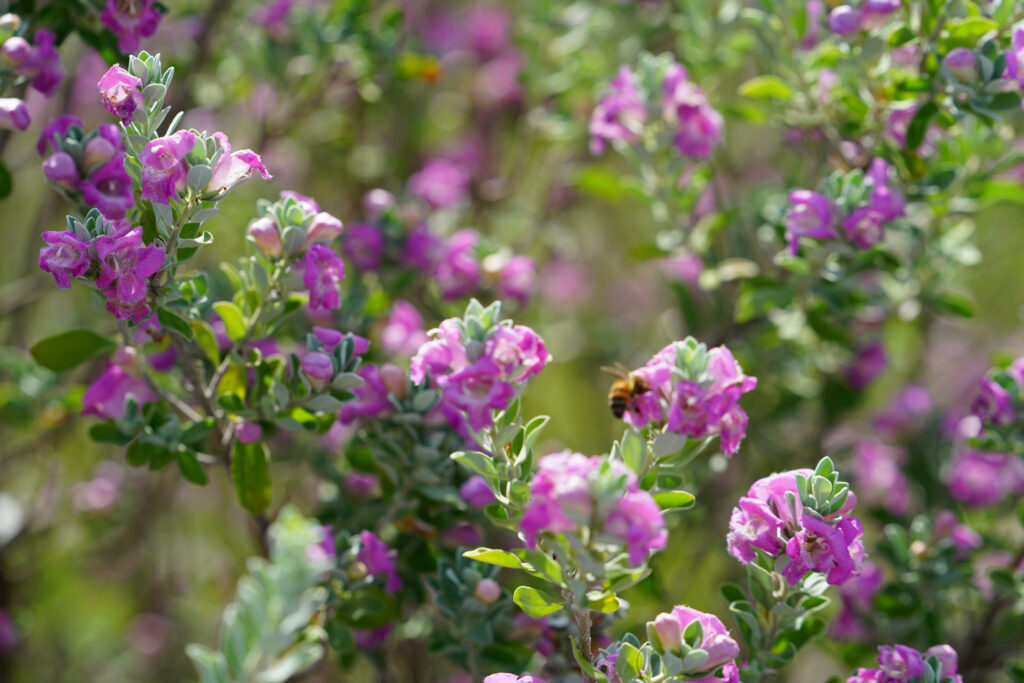
The secret to a lush, sustainable yard in Fort Worth lies in choosing native Texas plants and supporting them with high-quality organic amendments. By mimicking the natural Texas ecosystem with mulch and compost, you can create a resilient garden that thrives even in our harshest summers.
Silver Creek Materials has spent decades perfecting the art of large-scale composting and material supply. We believe that doing things the “right way” means providing our community with the tools to build landscapes that are as hardy as they are beautiful.
Why Mulch and Compost Are Essential for Texas Gardens
In the dry climate of North Texas, soil health forms the basis of any successful landscape. Drought-tolerant Texas landscaping depends a lot on moisture retention and nutrient density.
Mulch helps Texas gardens by serving as a protective layer. A thick layer of organic mulch controls soil temperature, keeping roots cool in July and warm in January. More importantly, it greatly reduces evaporation, making sure that every drop of water stays in the ground where plants need it most.
While mulch protects from above, compost for native plants works from within. Compost improves soil structure, changing heavy Fort Worth clay into a loose, nutrient-rich environment. This promotes deep root growth, which is the main defense native species use to survive long dry periods.
Top Native Texas Plants That Flourish with Mulch and Compost
When you combine the right materials with the right species, your maintenance requirements drop significantly. These Texas native shrubs and perennials perform exceptionally well in mulched and compost-enriched beds:
- Blackfoot Daisy: This tough-as-nails perennial produces honey-scented white flowers all summer. While it is incredibly drought-tolerant, it thrives and spreads more effectively when the soil is enriched with a touch of organic compost.
- Texas Sage: Known for its silvery foliage and purple blooms that appear after a rain, this shrub requires excellent drainage. Incorporating compost into your native plant beds in Fort Worth helps prevent the soil from compacting around its roots.
- Lantana: A favorite for pollinators, Lantana is nearly indestructible. It flourishes in mulched beds where the soil stays consistently cool, allowing it to produce vibrant clusters of flowers even in triple-digit heat.
- Autumn Sage & Red Yucca: These are essential for any xeriscape native plants Texas design. They provide striking vertical interest and deep red tones that pop beautifully against a fresh layer of dark mulch.
How to Properly Apply Mulch and Compost for Maximum Impact
How to Apply Mulch to New Gardens
For new beds, we recommend tilling 2 to 3 inches of compost into the top 6 inches of your existing soil. This provides an immediate nutrient boost.
Once your plants are in the ground, apply a 3-inch layer of organic mulch. Be sure to keep the mulch a few inches away from the base of the plant stems or trunks to prevent rot.
How to Apply Mulch to Established Gardens
For established gardens, a yearly “top-dressing” of compost followed by a fresh layer of mulch in the spring will keep your soil biology thriving year-round.
Bring Your Garden to Life with Silver Creek Materials
Since 1983, Silver Creek Materials has led in environmental care. We take pride in turning organic materials that would usually go to a landfill into valuable resources for your garden. Our mulch and compost are specially made for the North Texas climate. They help you create a landscape that lasts.
Are you ready to transform your yard into a low-maintenance oasis? Visit Silver Creek Materials today or contact us to find the perfect mulch and compost solutions for your native Texas garden.
Native Texas Plants FAQ
Why is mulch important for Texas gardens?
Mulch helps Texas gardens by serving as a protective layer. A thick layer of organic mulch controls soil temperature, keeping roots cool in July and warm in January. More importantly, it greatly reduces evaporation, making sure that every drop of water stays in the ground where plants need it most.
How does compost help native Texas plants?
Compost improves soil structure, changing heavy Fort Worth clay into a loose, nutrient-rich environment. This promotes deep root growth, which is the main defense native species use to survive long dry periods.
How much mulch and compost should I apply to a new Texas garden?
For new beds, we recommend tilling 2 to 3 inches of compost into the top 6 inches of your existing soil. Once your plants are in the ground, apply a 3-inch layer of organic mulch. Be sure to keep the mulch a few inches away from the base of the plant stems or trunks to prevent rot.
How should I maintain mulch and compost in an established Texas garden?
For established gardens, a yearly “top-dressing” of compost followed by a fresh layer of mulch in the spring will keep your soil biology thriving year-round.
Image credit: // Shutterstock // NicholasGeraldinePhotos